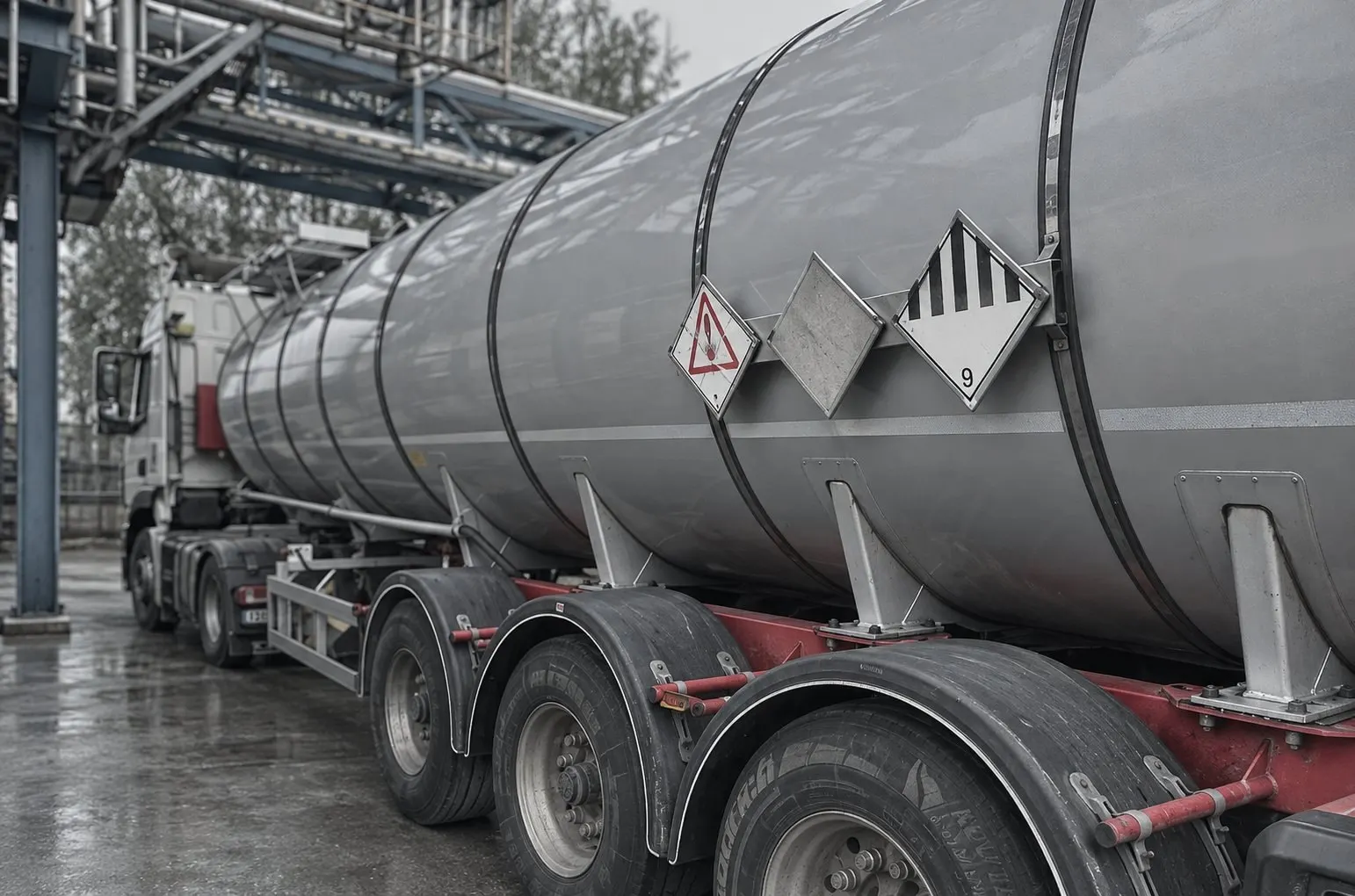
ADR regulations
ADR and RID adviser · DGSA
Dangerous goods fully under control
I guide companies through ADR and RID requirements: from classifying goods and training staff, through audits, to acting as their DGSA on an ongoing basis.
Services
Complete ADR and RID consulting in one place
Industries
Experience across many industries
I have worked with companies from many sectors - from defence and healthcare, through transport, logistics, manufacturing and the chemical industry, to the fuel market.
Every organisation has its own structure, processes and risk profile. That is why I never copy solutions from one client to another - I design each scope of work individually, taking into account the specifics of the company and the regulations in force.
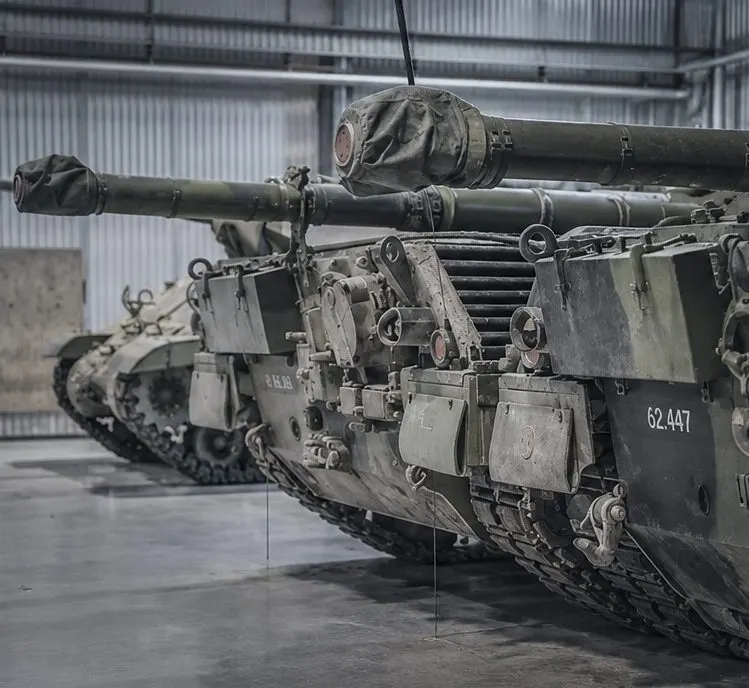
Industry
Defence

Industry
Healthcare
Industry
Transport and logistics

Industry
Manufacturing
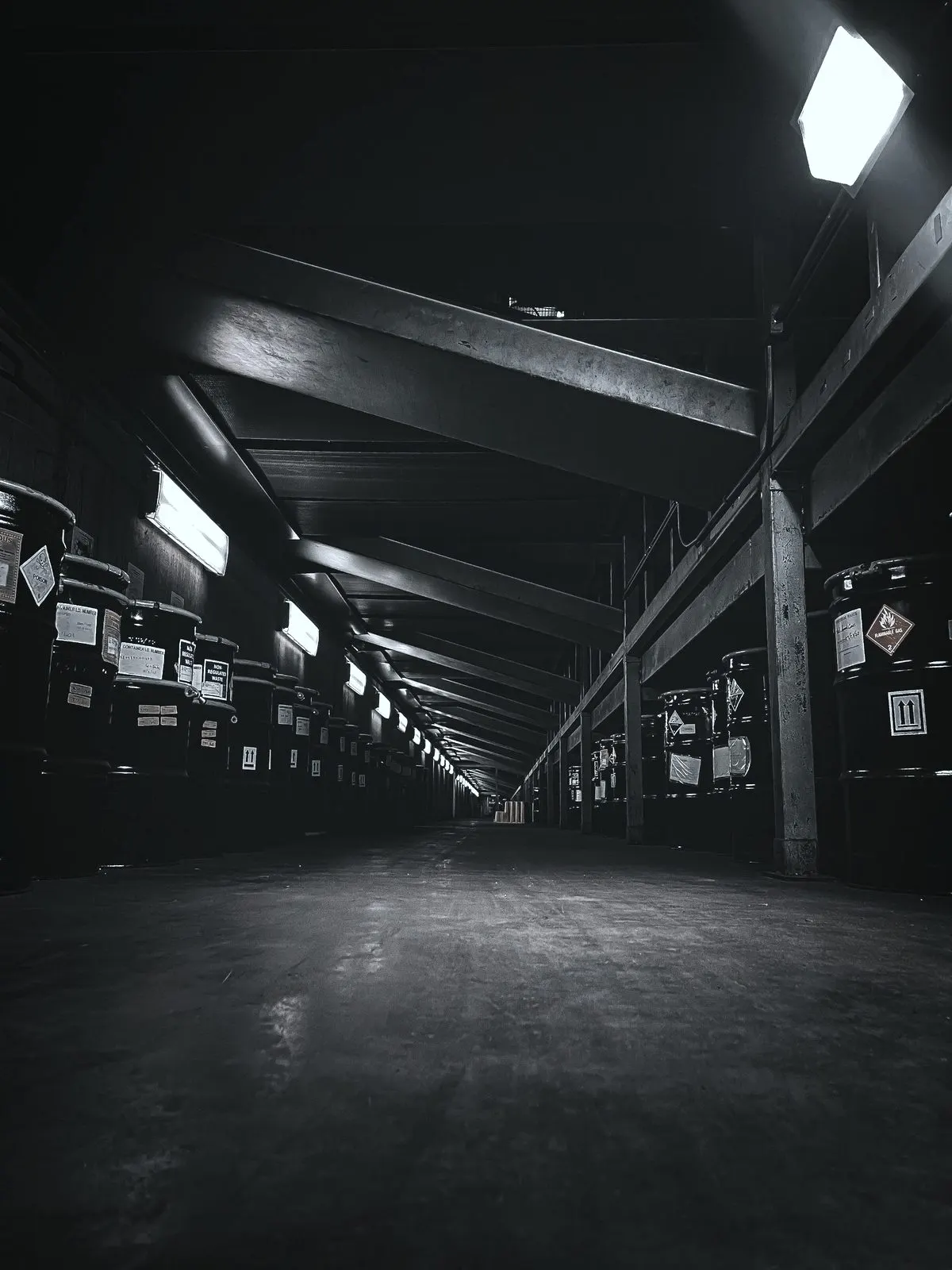
Industry
Chemicals

Industry
Fuel
The scope of work is agreed individually, after reviewing the needs of your company.
Book a free consultationWorking together
From a one-off consultation to ongoing adviser support
To start
Consultation
For companies that want to check whether ADR obligations apply to them, and which ones.
- A short initial call
- Understanding your needs
- Agreeing the next steps
Most popular
Your DGSA
For companies that want continuous support.
- Acting as your ADR safety adviser
- Annual report and accident reports
- Internal checks and training
- Day-to-day contact
Audit
ADR audit
An ADR audit covering compliance with the regulations.
- On-site or remote audit
- Post-audit report
Training
Training and workshops
Building the skills of staff involved in the carriage of dangerous goods.
- Training in line with ADR chapter 1.3
- Dedicated workshops
Insights
Blog
FAQ
Frequently asked questions
Does my company need an ADR safety adviser?
As a rule, the obligation applies to every undertaking that consigns, carries, packs, fills, loads or unloads dangerous goods. A consultation will show whether it applies to your company.
What is an ADR safety adviser?
A dangerous goods safety adviser (DGSA) is a person holding a certificate issued in Poland by the Transport Technical Supervision (TDT), appointed by an undertaking that consigns, carries, packs, fills, loads or unloads dangerous goods. Their tasks include monitoring compliance with ADR and RID, advising on carriage, internal checks, preparing the annual report and accident reports. The role can be filled by an employee or by an external adviser.
What are the duties of an ADR safety adviser?
The adviser's tasks are set out in section 1.8.3 of ADR. The most important duties are:
- monitoring compliance with the rules governing the carriage of dangerous goods,
- advising the undertaking on the carriage of dangerous goods,
- preparing an annual report on the undertaking's activities relating to the carriage of dangerous goods,
- monitoring the procedures for identifying (classifying) the dangerous goods carried,
- checking staff training and the records kept of it,
- monitoring emergency procedures in the event of accidents or incidents that may affect safety during carriage,
- investigating serious accidents, incidents and infringements and preparing reports,
- checking loading and unloading procedures and whether the undertaking has the required security plan.
I want to carry dangerous goods. Where do I start?
For a carrier starting to transport dangerous goods, the following order works well:
- Understanding the needs - which goods will be carried, in what quantities and in which vehicles, and whether any exemptions can be used.
- ADR audit - for companies already operating - a review of the fleet, equipment, documents and work organisation against ADR requirements.
- Signing a contract with an adviser - appointing a safety adviser and completing the formalities related to the appointment.
- Staff training - training everyone involved in carriage in line with ADR chapter 1.3; drivers also need an ADR driver training certificate.
- Implementing procedures - instructions for loading and unloading, checking documents and vehicle equipment, emergency procedures and - where required - a security plan.
An adviser can support you at every one of these stages - from the first consultation to full implementation.
Contact
- Phone+48 574 777 906
- Emaildoradca@dgsa-annamalik.pl
- HoursMon-Fri 9:00-16:00 (CET)
- AreaAll of Poland